.png)

Sports & Health Science Programs
YSSI turns youth sports into a performance laboratory—where students learn science by testing, measuring, and improving real movement. In YSSI’s Sports Science program, students don’t just play the game—they study it. Using sport as a live learning environment, students explore biomechanics, physiology, and performance measurement to understand how training decisions translate into results.
Trusted by schools, community partners, and civic institutions across Chicago.

What Makes YSSI's Programs Different?
Most programs teach sports skills or science concepts. YSSI connects the two through applied, measurable learning.
• Sport becomes the data source, not just the activity
• Students learn science by observing, testing, and refining performance
• Learning mirrors how coaches, trainers, and analysts work in real settings
Exposure:
Access to Sports Technology & Performance Data
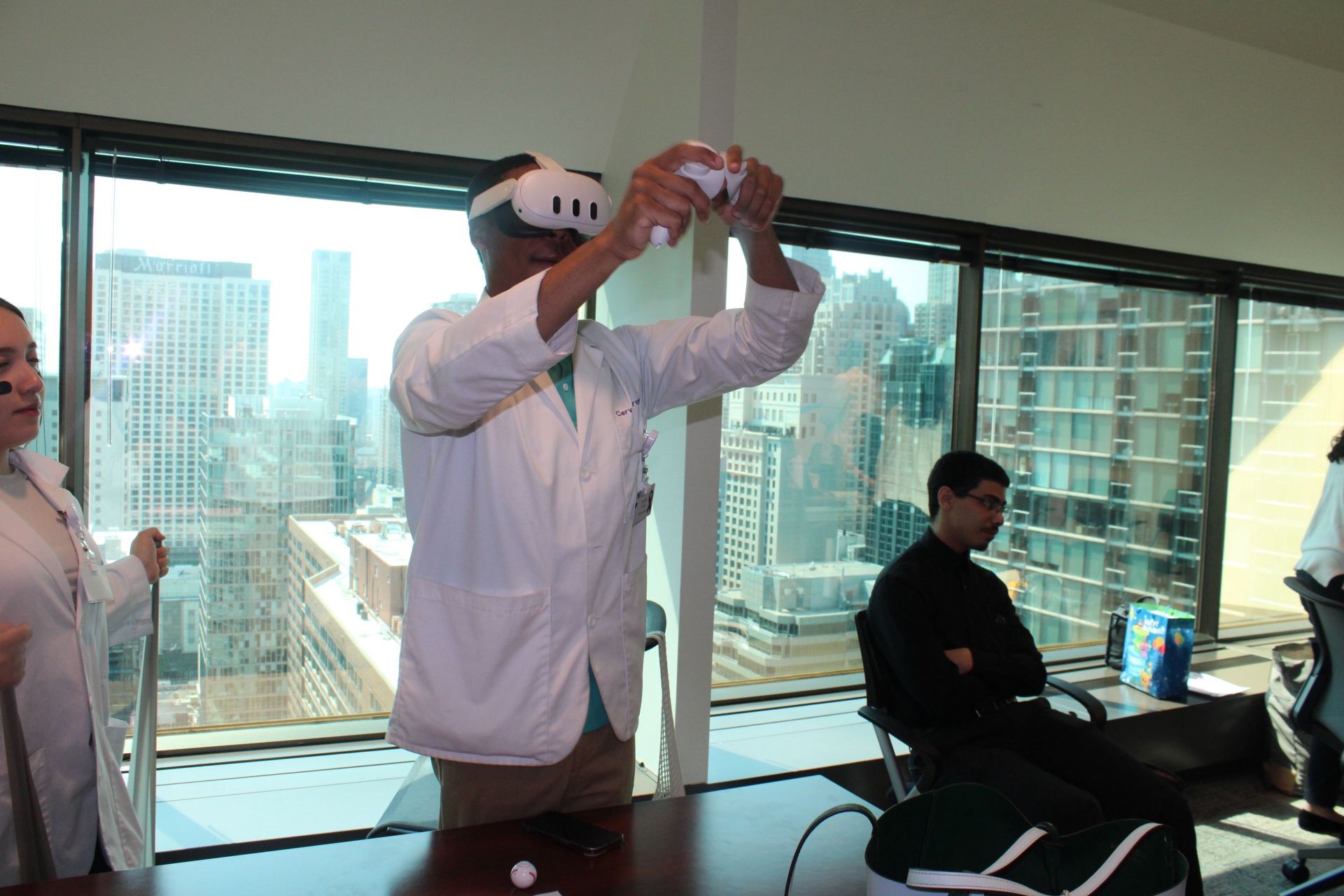
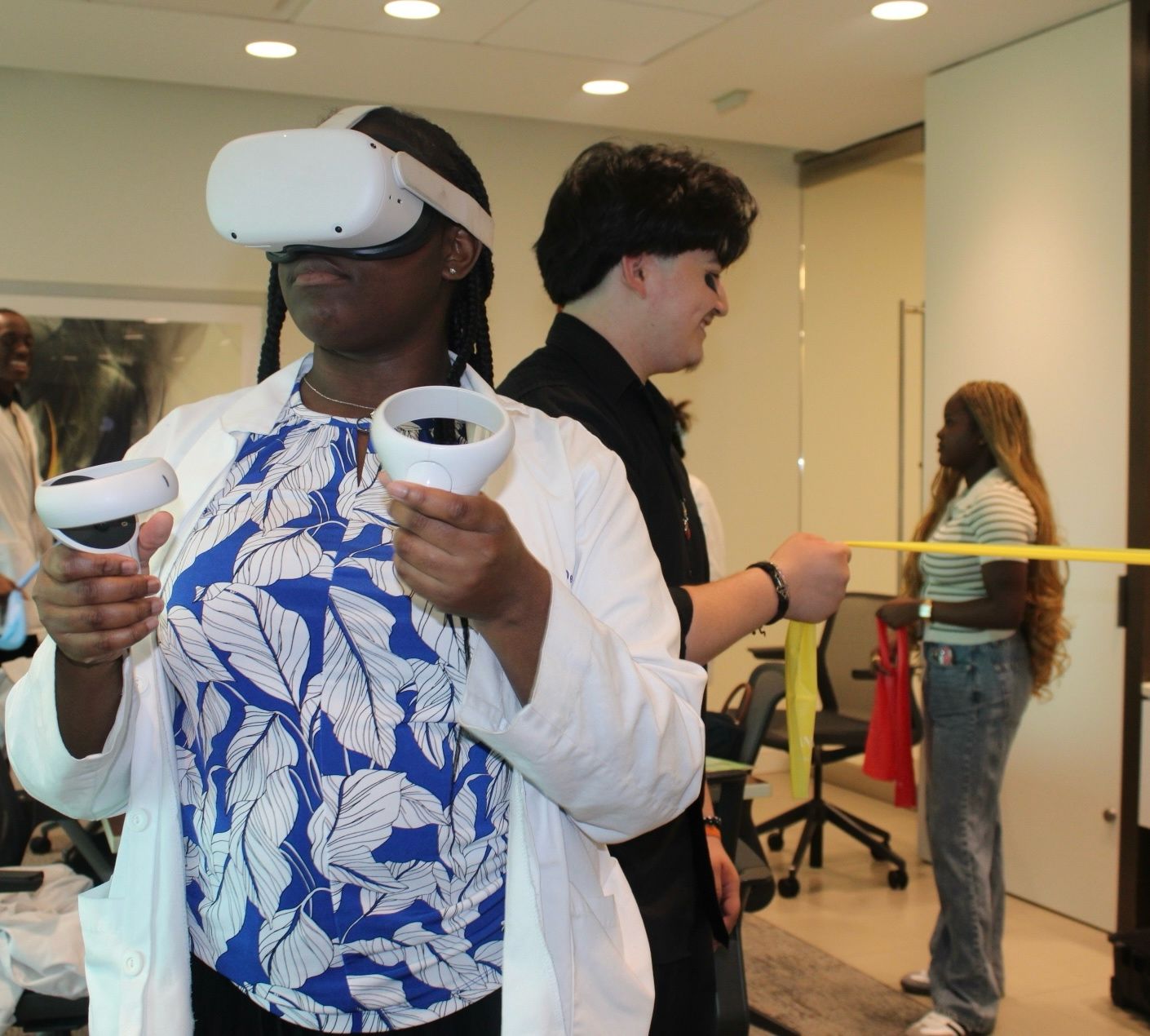
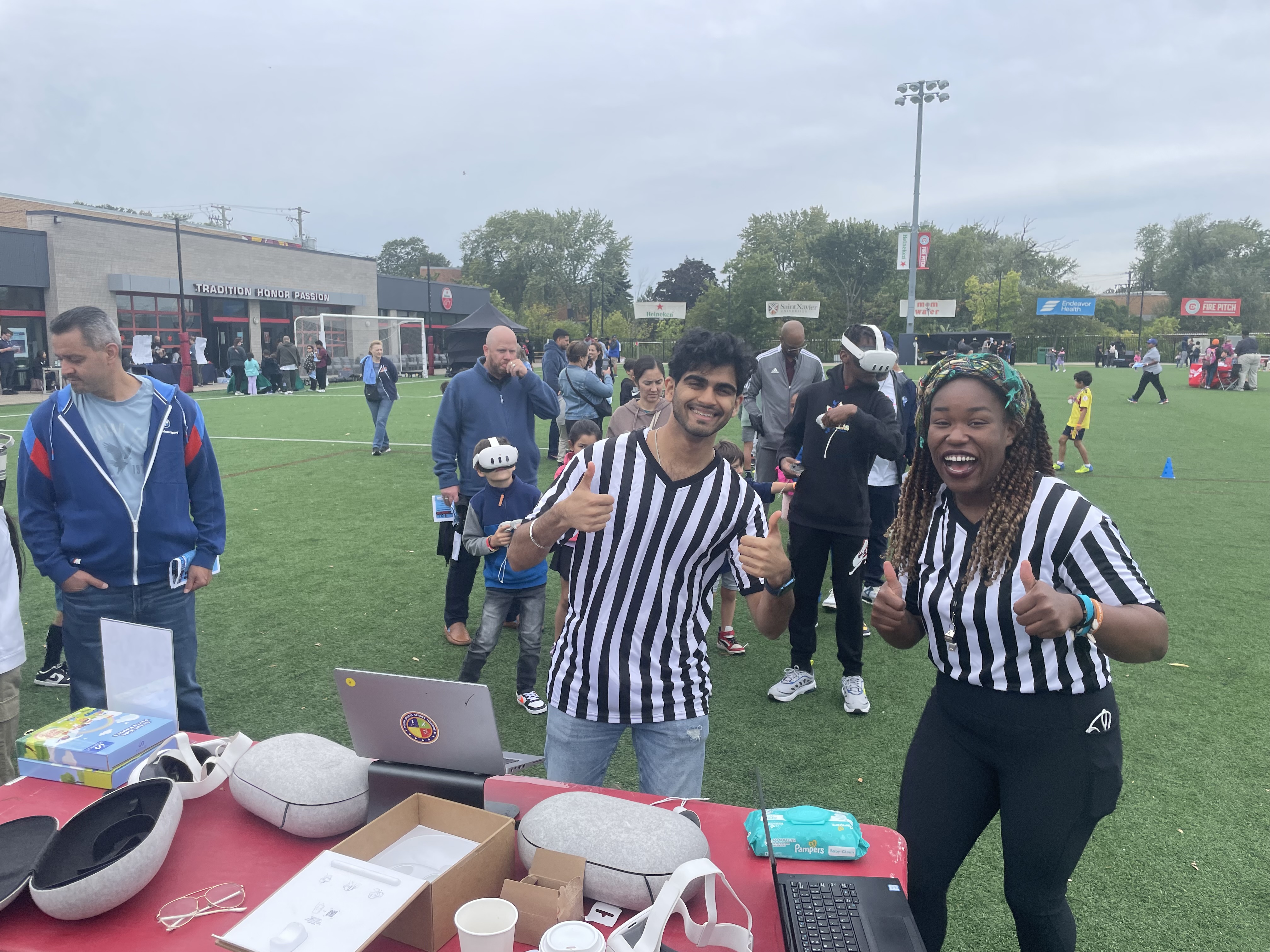
YSSI expands access to the tools and environments used in modern sport. Through activations and one-off workshops, students engage with immersive technologies, smart equipment, and performance tracking systems across multiple sports.
Participants are introduced to how data is captured—from reaction time and decision-making to movement quality and accuracy—building early literacy in sports technology and performance measurement.
Application:
Health, Performance & Risk Awareness
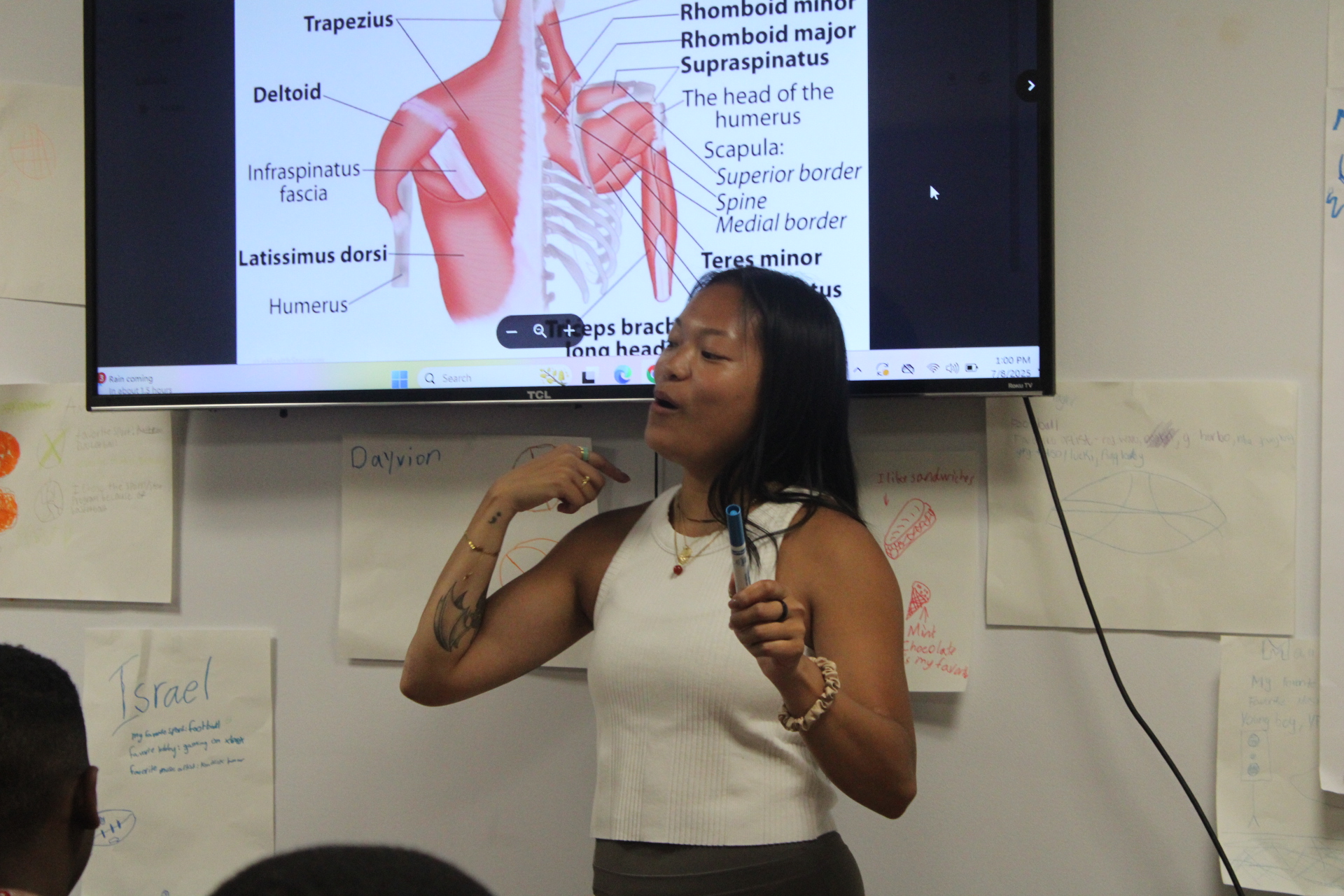
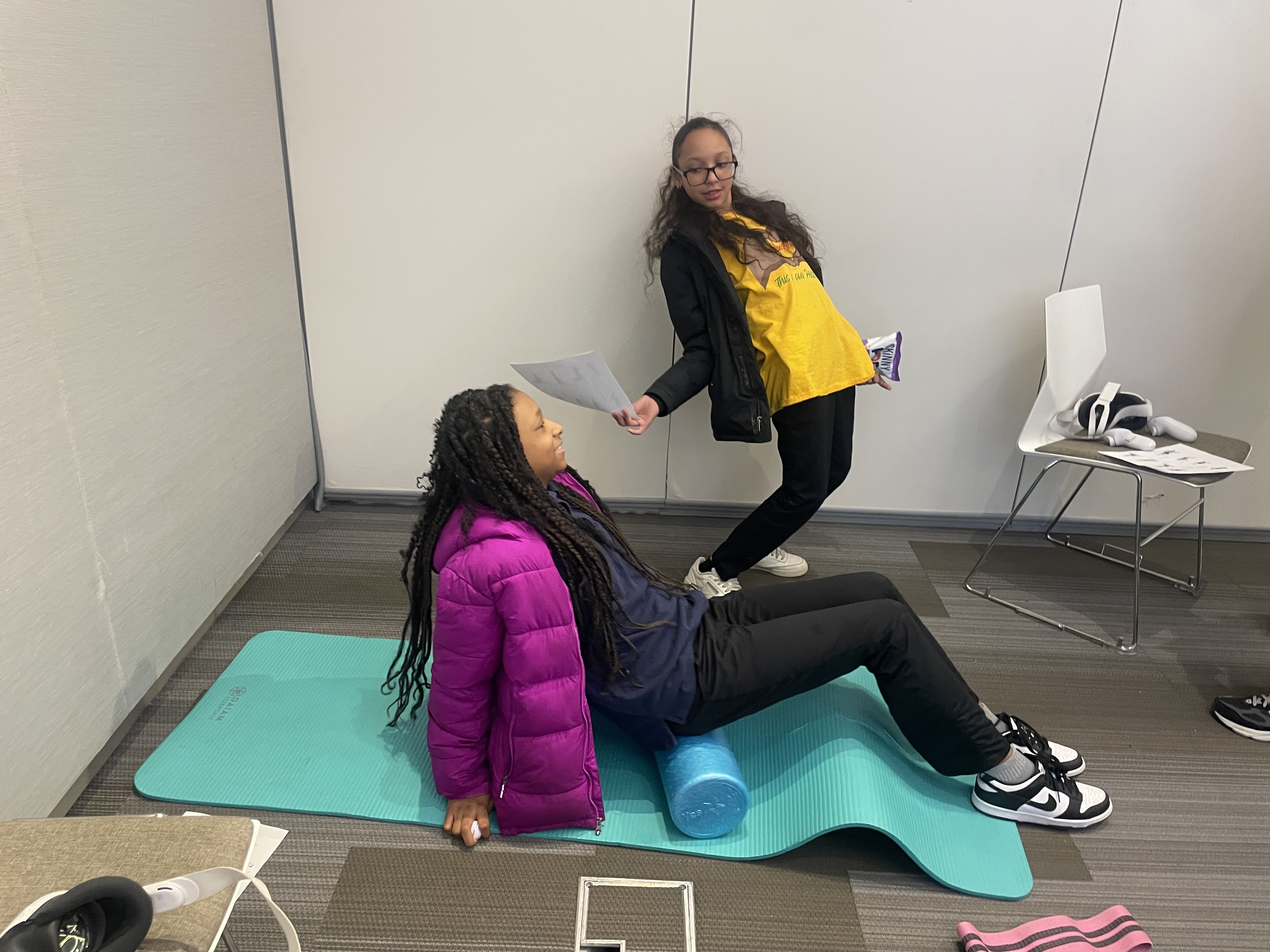
Students apply what they’ve learned through hands-on training scenarios focused on performance optimization, injury prevention, and recovery. Using real drills and sport-specific contexts, participants explore how workload, mechanics, fatigue, and decision-making influence health and performance outcomes.
This phase emphasizes proactive use of data to support safer training and long-term athlete development.
.jpeg)
Pathways: Analytics, Sports Science & Tech Careers
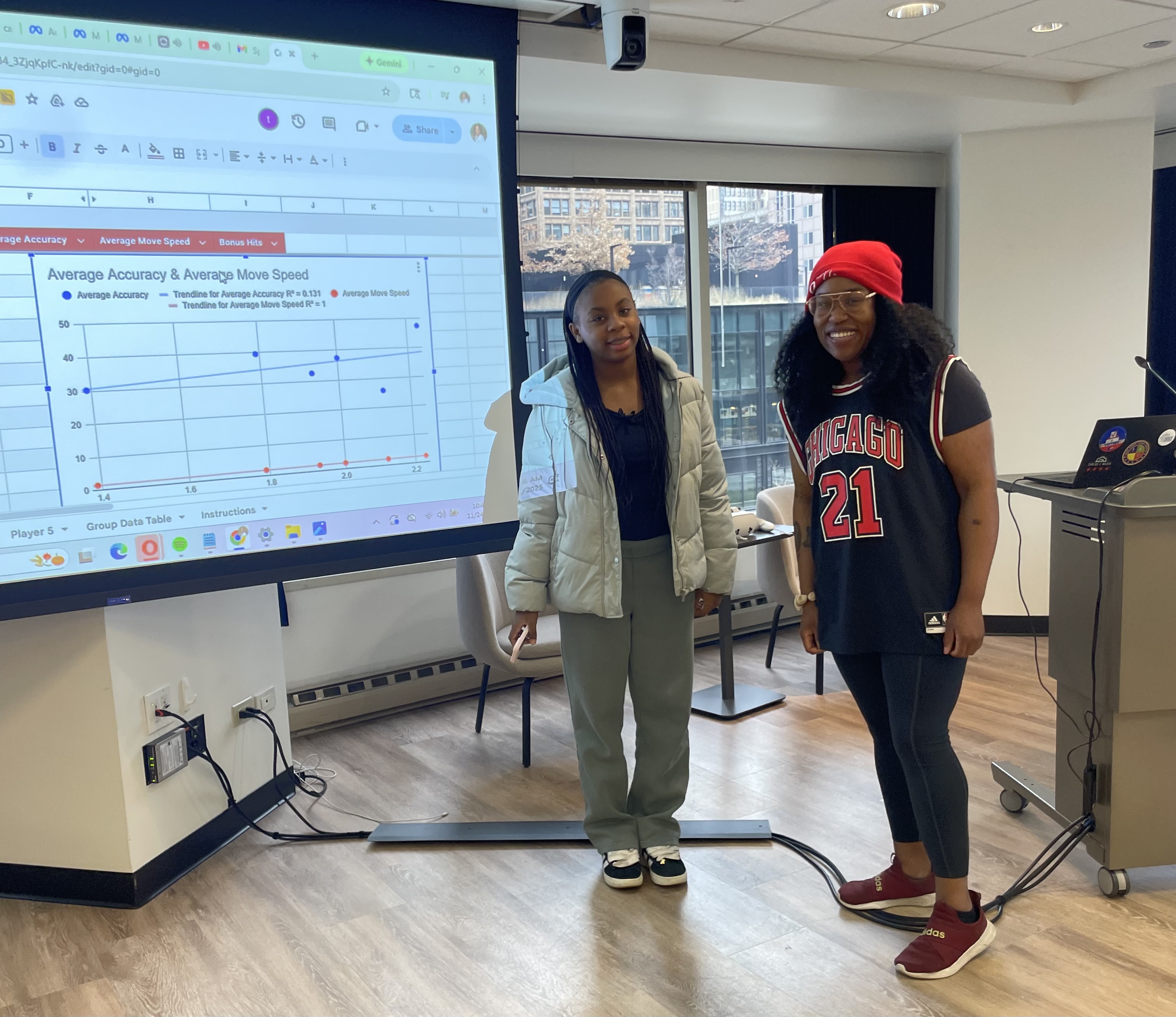
YSSI culminates by teaching students how to analyze, visualize, and communicate performance data. Participants work with real metrics collected during activations to build dashboards, interpret trends, and tell data-informed stories.
This phase connects sport to career pathways in sports science, health, data analytics, engineering, and emerging sports technology fields

Program Outcomes
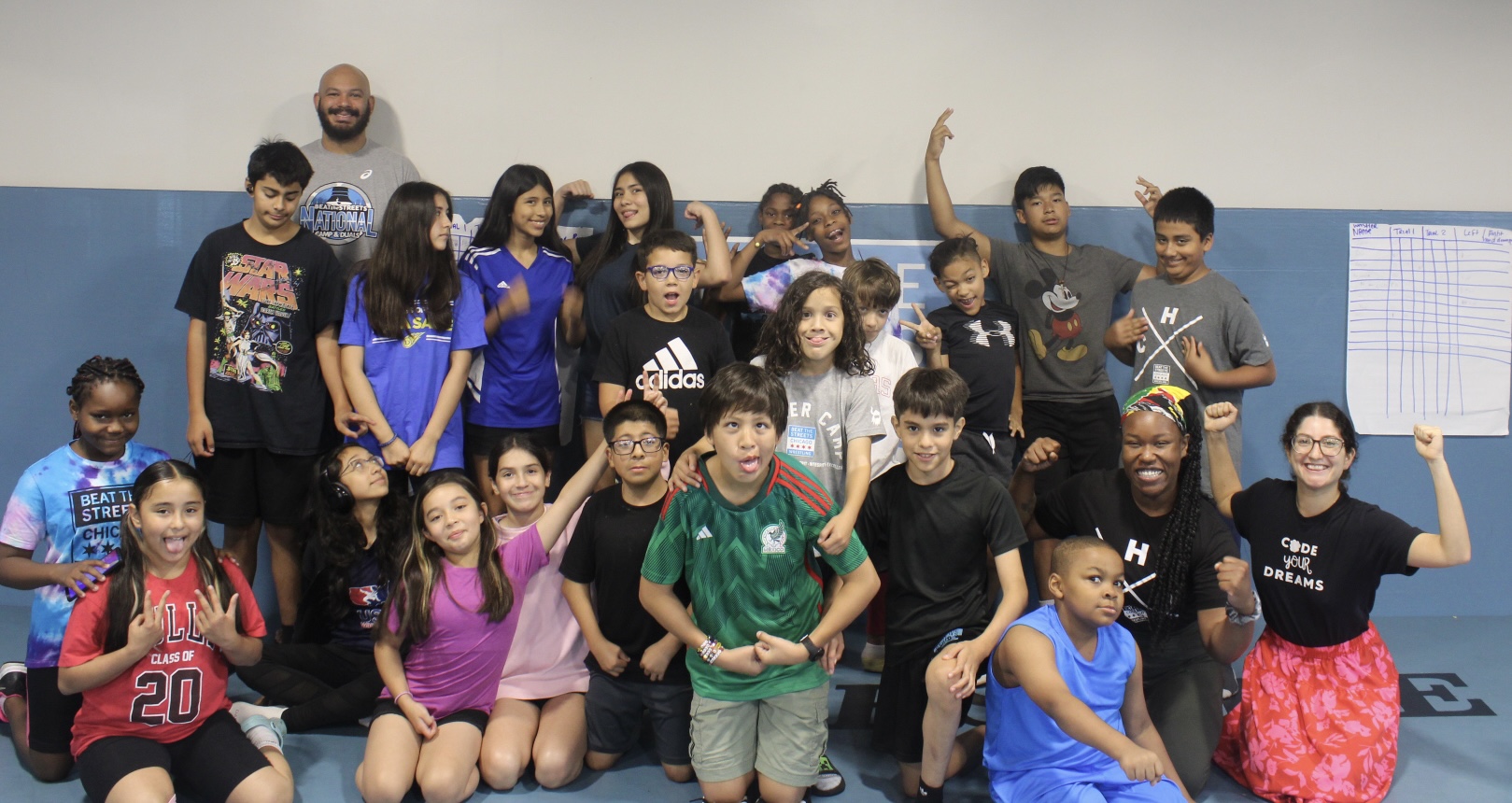
At YSSI, sport is a powerful classroom and the body is the curriculum. Through integrated Sports Science and Health Science programs, students learn how the body moves, performs, recovers, and stays well. Using real athletic activity as a learning laboratory, students apply science to movement, analyze performance, practice injury prevention, and build health literacy that supports both competitive sport and lifelong wellbeing.
Together, these programs move students beyond participation to understanding, connecting STEM concepts, data, and human health to real-world decision-making, career pathways, and personal agency on and off the field.
Sports Science
Health Science
YSSI Sport Roster
Across soccer, basketball, baseball, golf, and football, our program tracks decision-making, reaction speed, technical execution, and movement efficiency using industry-leading sports technology. In addition to semester-long programming, we deliver activations and one-off workshops—short, high-impact experiences where athletes and students rotate through immersive drills, live data capture, and rapid analysis.
These sessions introduce how modern teams measure performance, test interventions, and turn practice reps into actionable insights in a single day.
Soccer
Using Rezzil, soccer athletes measure reaction time, decision speed, spatial awareness, and technical accuracy in game-realistic VR scenarios. Repeated high-pressure reps allow students to track how faster decisions and improved composure translate to performance gains.
Basketball
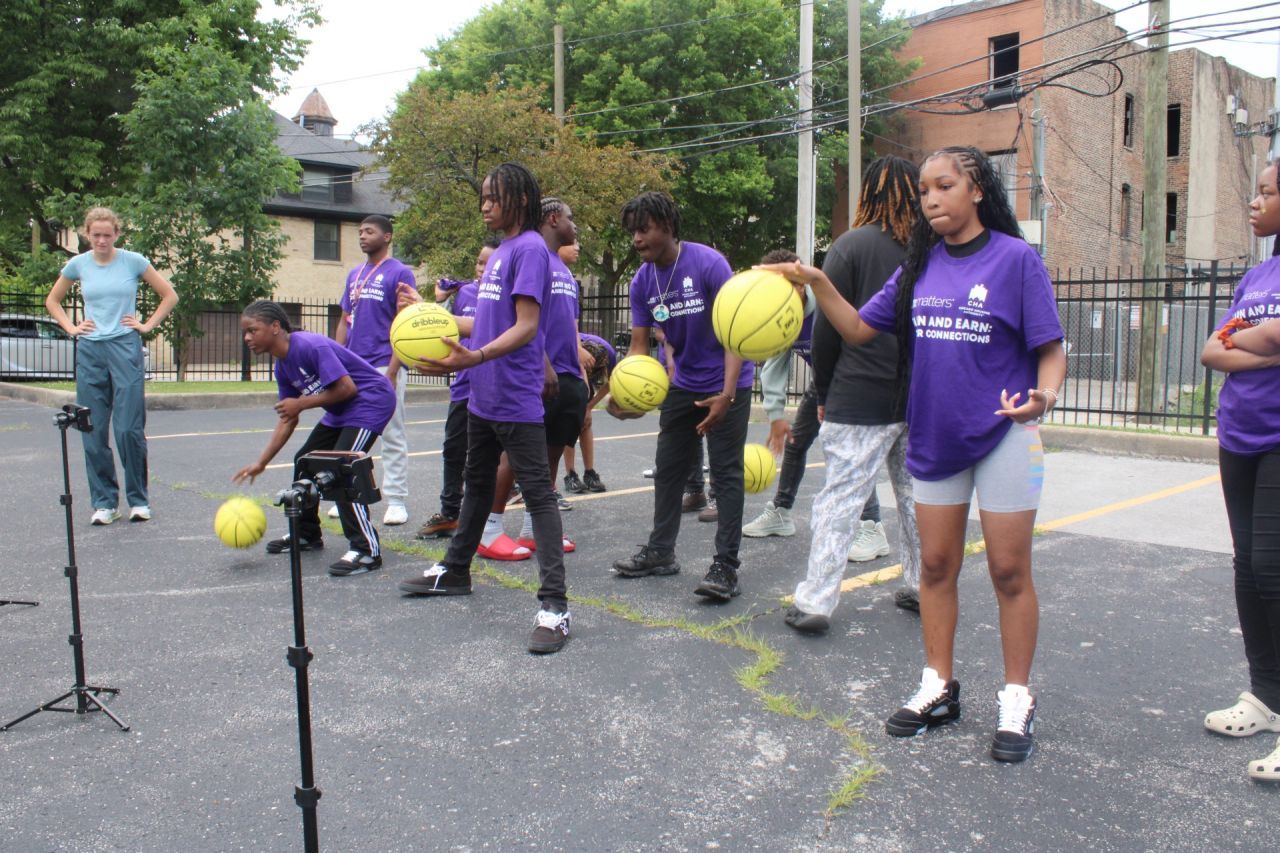
Basketball pairs Rezzil for cognitive metrics with the DribbleUp Smart Basketball to track dribbling speed, accuracy, reps, and consistency. Students connect mental processing with measurable ball-handling improvement through data visualization.
.jpeg)
Baseball
Baseball focuses on performance analytics such as exit velocity, launch angle, pitch velocity, movement, and contact quality. Students analyze how swing mechanics and pitch characteristics impact outcomes, mirroring how professional teams evaluate hitters and pitchers.

Football
Football integrates Rezzil for decision-making and reaction benchmarks with StatusPRO, which models NFL-style tracking metrics like speed, acceleration, distance, and spatial awareness. Students analyze how timing and movement data influence game outcomes.
Boxing
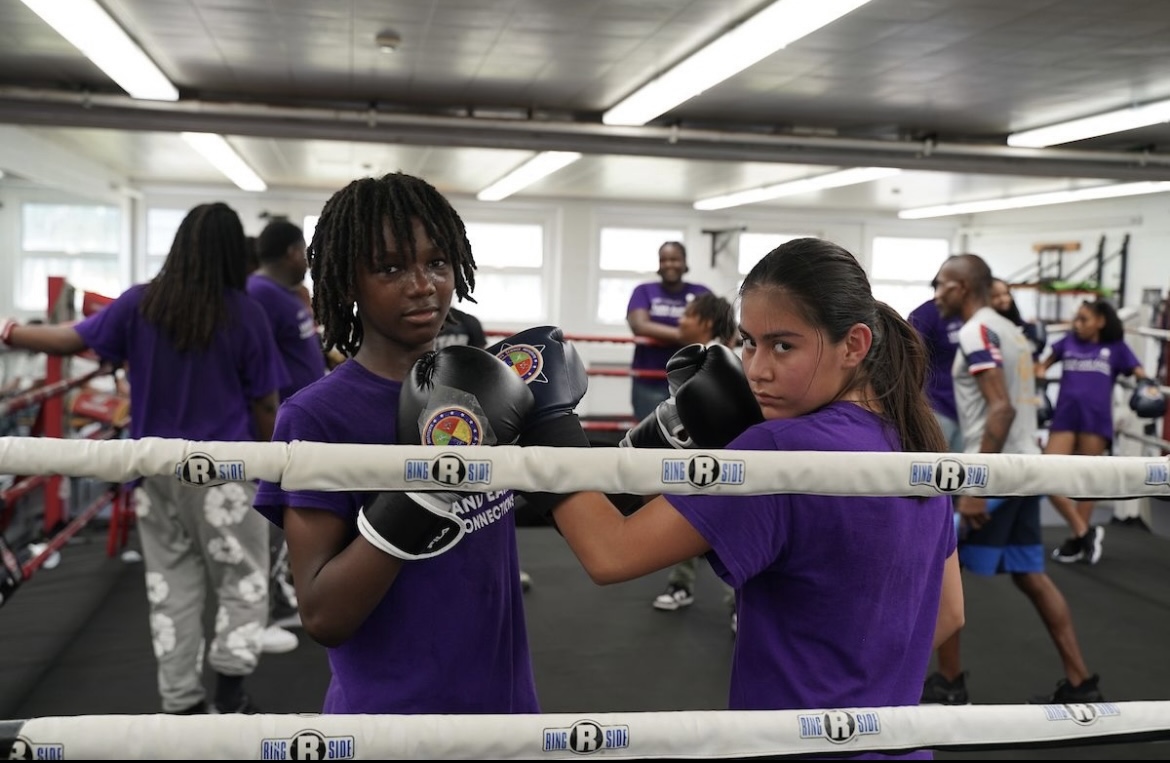
Boxing activations focus on reaction time, punch velocity, accuracy, volume, defensive response, and fatigue trends to illustrate how data applies to combat sports. Students complete short, high-intensity drills—such as reaction cues, timed combinations, and accuracy targets—while students analyze output (speed and reps), efficiency (accuracy over time), and decision-making under fatigue.